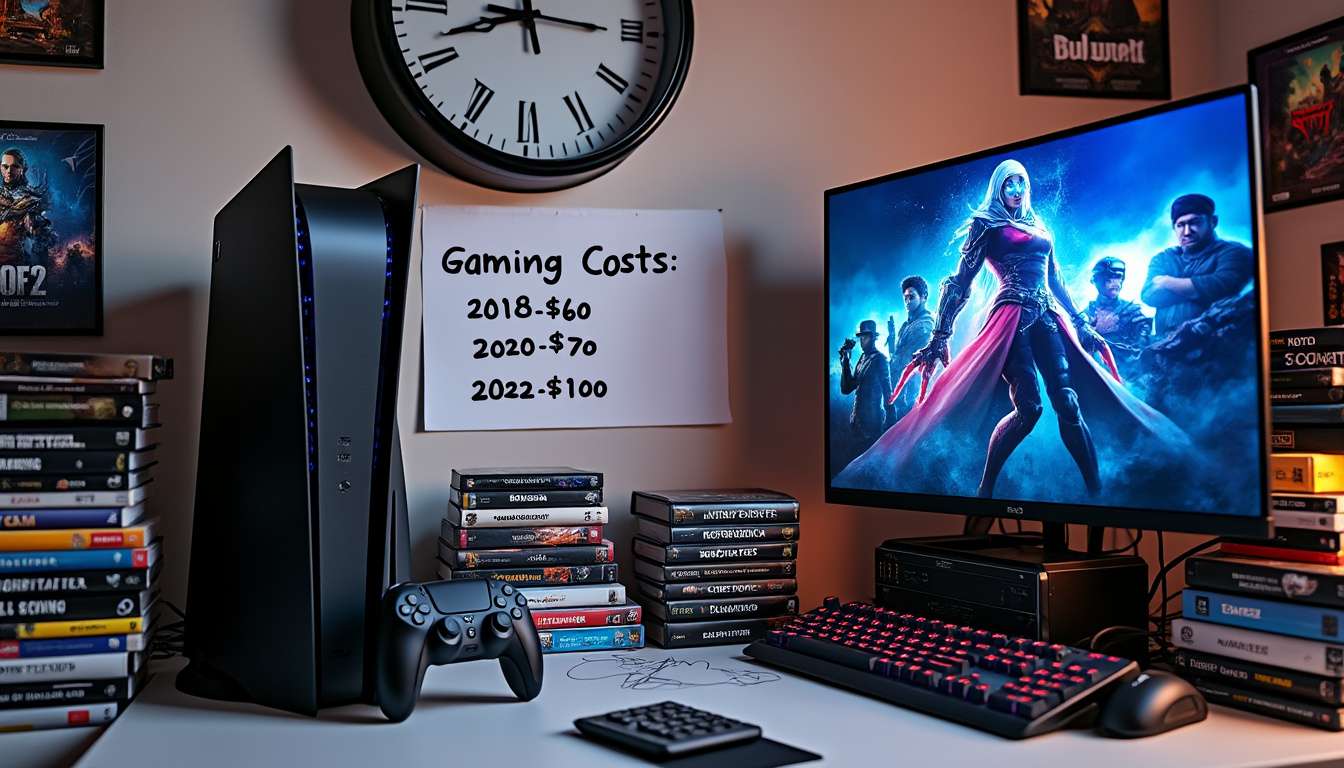
Digital Game Pricing Frustration: Is It Worth It?
The allure of instant access and a clutter-free collection makes digital gaming incredibly appealing. Yet, for many seasoned players, the landscape of digital games pricing often feels like a minefield of frustration and questionable value. What starts as a simple search for an older title can quickly turn into an exasperating lesson in digital economics, leaving gamers to wonder: are these prices truly worth it?
Consider a scenario familiar to many: a sequel releases, sparking interest in its predecessor. Let's take Vermintide 2, a popular Left 4 Dead-style game, which recently had players looking back at the original End Times - Vermintide. A quick check on a console's digital storefront, like the PlayStation Store, might reveal the game still listed at a hefty $39.99, despite having been released years ago in October 2016. This immediate sticker shock is often just the beginning of a deeper dive into the complexities of digital game value.
The Disconnect: High Digital Prices for Aging Titles
One of the most perplexing aspects of digital games pricing is the stubborn refusal of some older titles to drop in price on official digital storefronts. While the physical market sees prices depreciate naturally as games age, demand wanes, and new titles emerge, digital versions often remain anchored to their launch-era price tags. In the case of End Times - Vermintide, a physical copy might be found on platforms like Amazon for half the digital price, or even less, if you're lucky. This disparity highlights a fundamental disconnect: why do digital storefronts, which don't incur manufacturing, shipping, or retail shelving costs, often maintain higher prices for older software?
The digital distribution model theoretically promises lower overheads, which should translate to more competitive pricing over time. Instead, consumers frequently encounter a static pricing structure that fails to reflect a game's market reality or current relevance. This issue is particularly pronounced when comparing console digital stores to PC platforms like Steam, where aggressive sales and dynamic pricing are the norm. On PC, the original Vermintide, once priced at $44.99, might frequently be found on sale for a fraction of that, sometimes as low as $11.25. This stark contrast suggests that platform policies and publisher strategies play a significant role in dictating Physical vs. Digital Games: Why Online Stores Lag in price adjustments.
The Online-Only Trap: When Communities Die
Beyond the pricing itself, the true value of a digital game can be severely undermined by its inherent dependencies, especially for titles built around online multiplayer. Many co-op games, even those offering single-player experiences with bots, demand a constant online connection. This requirement becomes a critical flaw when a game's online community dwindles or dies out, leaving players with a high-priced digital purchase that is functionally unplayable in its intended form.
The situation escalates with console ecosystems that mandate a premium subscription service (like PS Plus or Xbox Live Gold) even for aspects that feel fundamentally single-player. Imagine purchasing a game like Vermintide digitally on a console, only to discover that to play solo with bots, you still need an active subscription – an additional recurring cost on top of an already steep initial purchase. This creates an absurd barrier to entry, essentially making players pay twice for a single-player experience that relies on a non-existent community.
For gamers who can't run a game on PC or prefer console gaming, this scenario is particularly frustrating. They're left paying full price for a game that offers limited playability, often without being fully aware of these critical issues until after the purchase. This is a prime example of why Buyer Beware: High Digital Prices for Dead Online Games is crucial advice in the current market. The longevity of a game's online servers and community health are vital considerations for any potential buyer, especially when contemplating the value of a digital purchase.
The Refund Predicament and Consumer Vulnerability
Compounding the frustration of high prices and online dependencies are the often draconian refund policies of digital storefronts. Unlike physical retail, where returning a defective or unwanted game is usually straightforward, digital platforms often have strict conditions. Sony's policy, for instance, generally refuses refunds once a game has been downloaded, regardless of whether it was actually played or if the player discovered insurmountable issues like a dead community or an unforeseen online requirement.
This "no refunds after download" stance leaves consumers incredibly vulnerable. A player might spend $39.99 on a game, download it, only to realize within minutes that its online community is non-existent, making the co-op experience impossible, or that the solo bot mode still requires a paid online subscription. With no recourse for a refund, that money is effectively wasted. This lack of consumer protection fundamentally undermines trust in digital games pricing and the digital purchasing experience. It forces players to conduct extensive research before every digital purchase, a burden that shouldn't be necessary for standard consumer goods.
The contrast with PC storefronts like Steam, which offers a more flexible refund policy (typically within 14 days and less than two hours of playtime), further highlights the disparity. This consumer-friendly approach on PC often makes it a safer bet for older titles or games with potentially dwindling online components, demonstrating that more equitable refund policies are indeed viable.
Navigating the Digital Minefield: Tips for Savvy Gamers
Given the complexities and potential pitfalls of digital games pricing, gamers need to be more vigilant than ever. Here are some practical tips to ensure you're getting true value for your money:
- Research Extensively Before Buying: Before making any digital purchase, especially for older online-focused games, do your homework. Check recent reviews, community forums, and dedicated subreddits to gauge the game's active player base and server status. Search for phrases like "[Game Name] community status" or "[Game Name] active players."
- Compare Prices Across Platforms: Always check if the game is available on different digital storefronts (e.g., PlayStation Store, Xbox Store, Nintendo eShop, Steam, Epic Games Store). PC often offers the most competitive pricing and frequent sales.
- Consider Physical Copies: If available, compare the digital price to physical copies on retailers like Amazon, eBay, or local game stores. Physical versions can often be significantly cheaper for older titles and offer the option of resale.
- Wait for Sales: Digital storefronts frequently have seasonal sales. If a game isn't urgent, add it to your wishlist and wait for a discount. This is particularly true for PC games, which see regular, aggressive price cuts.
- Understand Refund Policies: Familiarize yourself with the refund policy of the specific digital store before making a purchase. While some are strict, knowing the rules can help you decide when to take a risk.
- Check for Online Requirements & Subscriptions: Always confirm if a game requires a constant internet connection, even for single-player content, and if a paid subscription service (like PS Plus or Xbox Live Gold) is mandatory for any aspect of play you intend to engage with.
- Be Wary of "Digital Only" Exclusives: While rare for older titles, some games might be digital-only. For these, your research is even more critical, as there's no physical alternative for price comparison or resale.
Conclusion
The frustration surrounding digital games pricing is a legitimate concern for many gamers. The combination of high, static prices for older titles, the online-only trap for dwindling communities, and unforgiving refund policies creates a landscape where consumers often feel disadvantaged. While the convenience of digital distribution is undeniable, the current pricing models and policies frequently fail to deliver equivalent value, especially when compared to the physical market or more consumer-friendly PC platforms. As the gaming industry continues its shift towards an all-digital future, a more equitable approach to pricing, transparency, and consumer protection will be essential to ensure that the convenience of digital gaming truly feels "worth it" for everyone.